E-Bikes in Europe: Everyone is riding them, but too few know the rules
The e-bike market in Europe is growing with rapid momentum. However, a new, comprehensive paneuropean study commissioned by Diamantrad reveals a stark contrast: knowledge about traffic regulations, technology, and correct handling is not keeping pace with skyrocketing sales figures. Read our summary of the study results to find out where the biggest knowledge gaps lie and why safety doesn’t always have to be expensive.
1. The Battery Confidence Gap: An Underestimated Risk
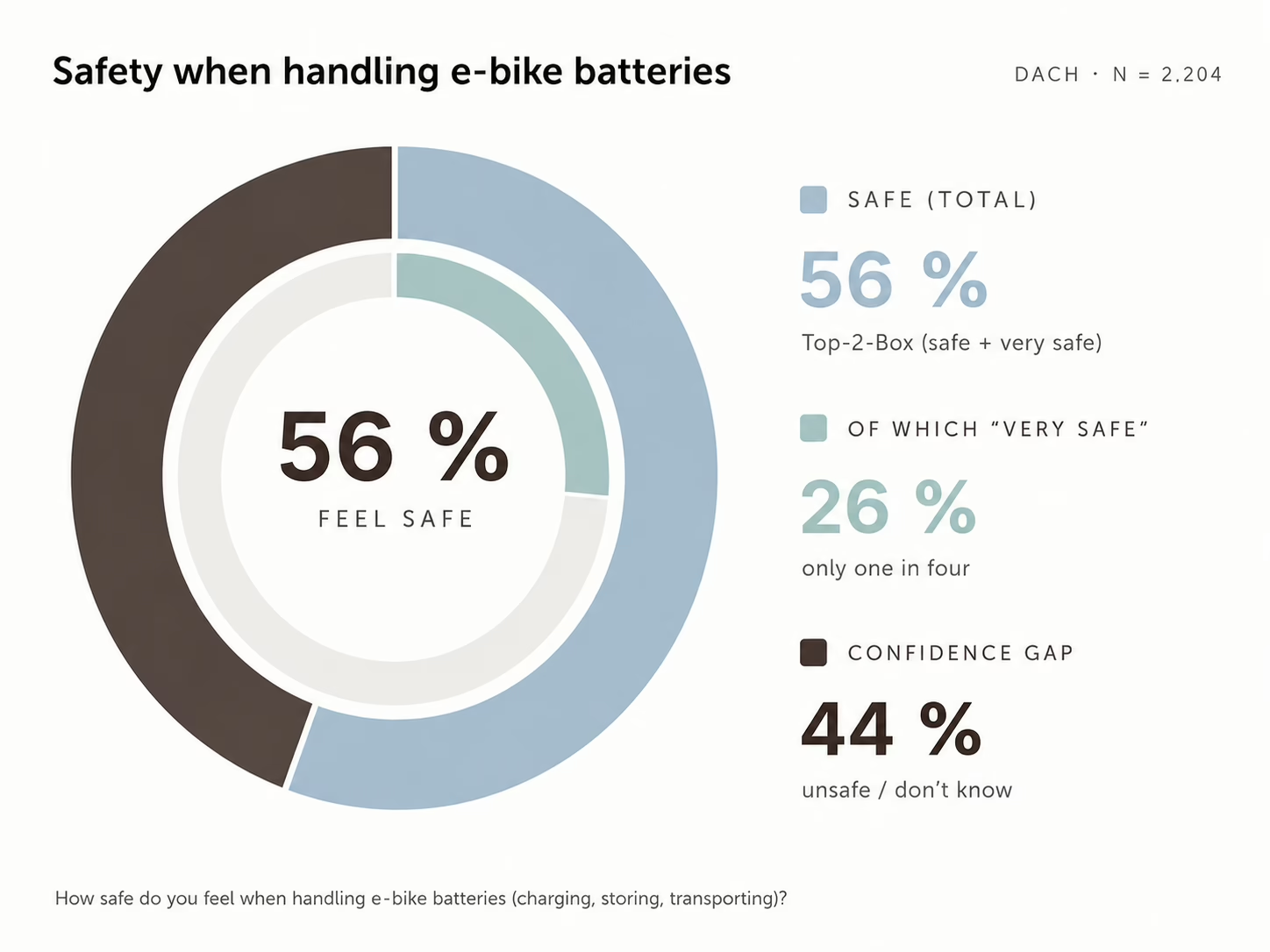
The heart of every e-bike is its battery. When it comes to basic theoretical knowledge, e-bike riders in Europe initially score well: a proud 82% of respondents know exactly that a depleted battery must be disposed of correctly at a recycling center.
Yet, appearances are deceptive once it comes to daily life. A deeper confidence gap opens up in practical handling:
- Only 56% of users state that they feel safe in their daily handling of the battery (with a mere 26% feeling “very safe”).
- In turn, this means that 44% experience significant uncertainty when charging, transporting, or storing the battery within their own four walls.
For the bicycle industry and specialized retailers, this is a massive lever to better support riders. Brands that proactively educate, provide clear instructions, and debunk myths can sustainably strengthen this trust.
2. Half-Knowledge and Myths in Road Traffic
Uncertainty doesn’t just affect the hardware; it heavily impacts behavior in public spaces as well. Two myths and areas of confusion stand out particularly in the study:
The Helmet Mandate Myth
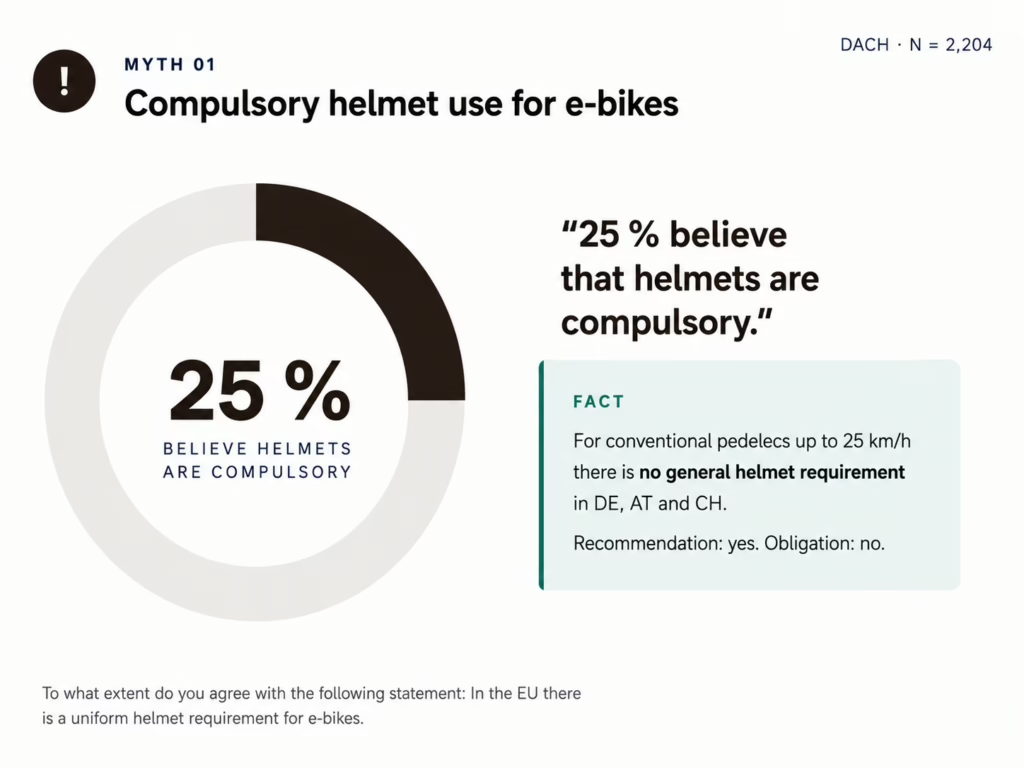
Although there is no legal helmet mandate for conventional pedelecs (assistance up to 25 km/h) in most countries, 25% of respondents falsely believe that a helmet mandate already exists. Regardless of the legal situation, Diamantrad strongly recommends wearing a helmet on every ride—yet this figure shows how easily theoretical debates can distort public perception and, in the worst-case scenario, even deter people from cycling altogether.
The Riddle of Bike Lane Usage
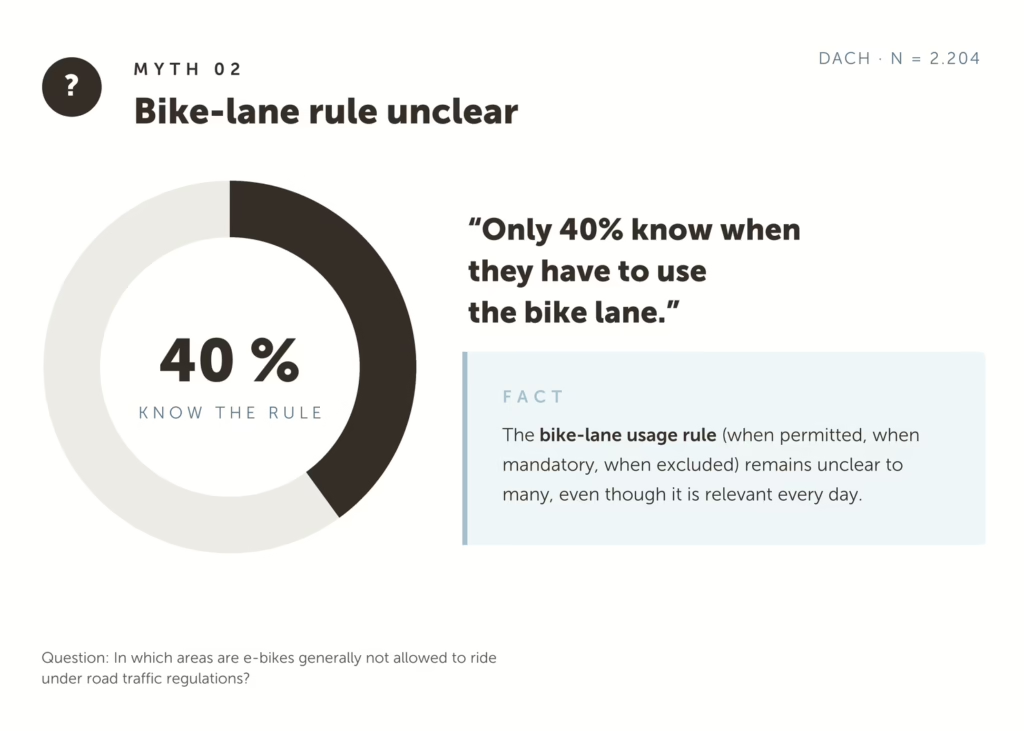
Even more critical is the lack of knowledge regarding traffic rules: only 40% of Europeans know exactly when they are allowed or required to use a bike lane. For the majority of 60%, distinguishing between an optional bike lane, a mandatory one, and a prohibition remains a total mystery. This leads to stress for cyclists and causes dangerous misunderstandings when interacting with drivers.
3. Country Comparison: Speed Limit? Insurance? Confusion!
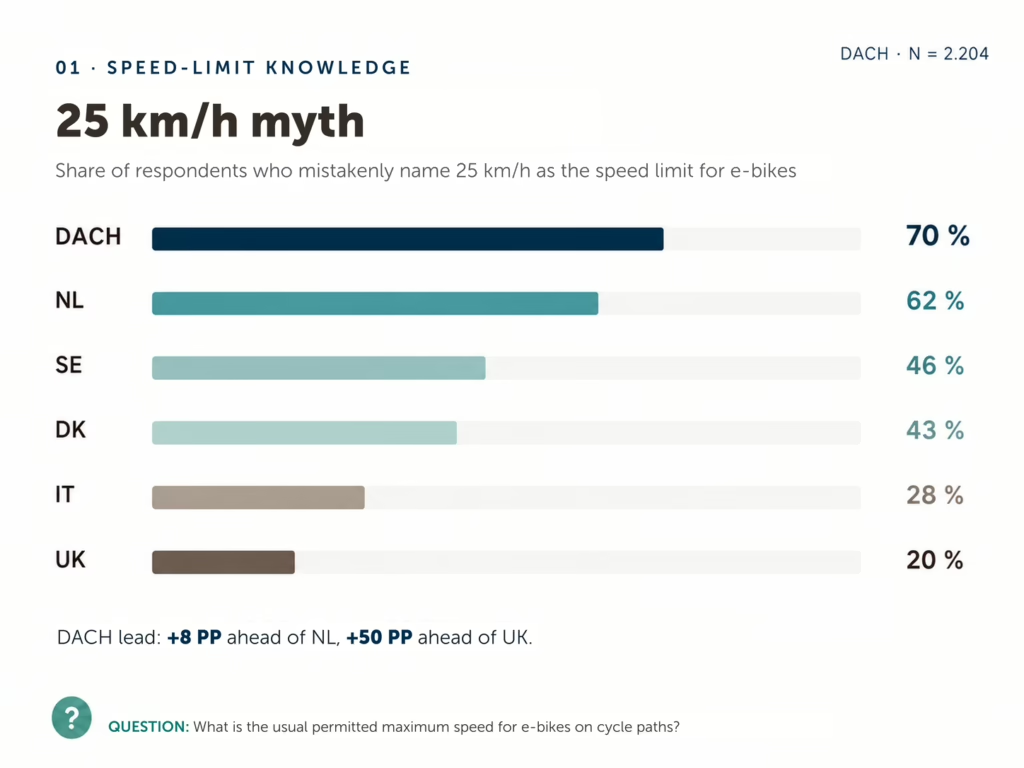
The paneuropean comparison—encompassing a total of 4,041 respondents across nine countries—brings surprising insights to light. Contrary to common stereotypes, the DACH region (Germany, Austria, Switzerland) scores significantly better on an aggregate level regarding rule knowledge and perceived safety than established “cycling nations” like the Netherlands or Denmark. The exception is the speed limit, which doesn’t actually exist.
| Criterion / Knowledge | DACH Region | Netherlands | Denmark | United Kingdom | France | Sweden | Italy |
| Assumption of a 25 km/h limit | 70% | 62% | 43% | 20% | 36% | 46% | 28% |
| Uncertainty about insurance mandate | 30% | 52% | 76% | 72% | 66% | 72% | 77% |
| Feel “very safe” in traffic | 26% | 20% | 18% | 7% | 9% | 15% | 10% |
Across Europe, only 7% to 13% of all respondents in all countries know that there is no general speed limit. In countries with high e-bike usage, most respondents believe that the maximum motor-assistance limit is a legal speed limit. In countries where e-bikes are still less common, this effect is less pronounced, but nearly half of all respondents in countries like Italy and the United Kingdom simply state that they do not know. There is, therefore, a massive need for education.
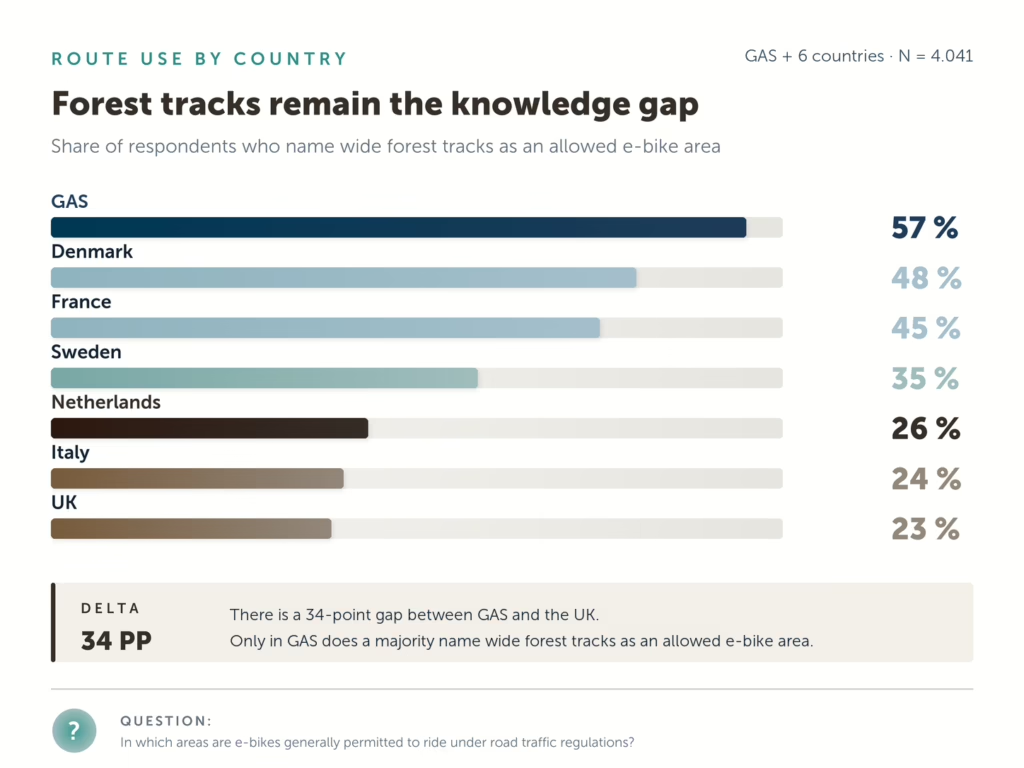
The current debate about e-bikes in forests is having an impact. Newer laws restrict e-bike use off designated forest paths in some regions. While general access to forests via wide paths remains largely unchanged, across almost all of Europe, less than half of the population believes that e-bikes are permitted on standard forest paths. A lack of knowledge makes further conflicts inevitable.
4. Safety Doesn’t Have to Be Expensive
Wanneer in de politiek over fietsveiligheid wordt gedebatteerd, volgt meestal de roep om nieuwe, miljardenverslindende infrastructuurprojecten. Het uitbreiden van When bicycle safety is debated in politics, it is usually followed by demands for new, multi-billion-dollar infrastructure projects. However, expanding bike lanes often takes years. This study points to a faster, more pragmatic way out:
While 36% of respondents primarily wish for better physical infrastructure, it conversely means that 64% of people see the key to increased safety in much cheaper, faster-to-implement measures.
- 20% want clearer safety information.
- 16% call for better signage.
- 11% each rely on regular maintenance and training offers.
For manufacturers and specialized retailers, this is a clear call to action: we don’t have to wait until new bike lanes are paved with concrete. With easy-to-understand “how-to” guides, education right at the point of sale, and digital training programs, the perceived safety of riders can be improved immediately.
5. Which country best organizes e-bike use?
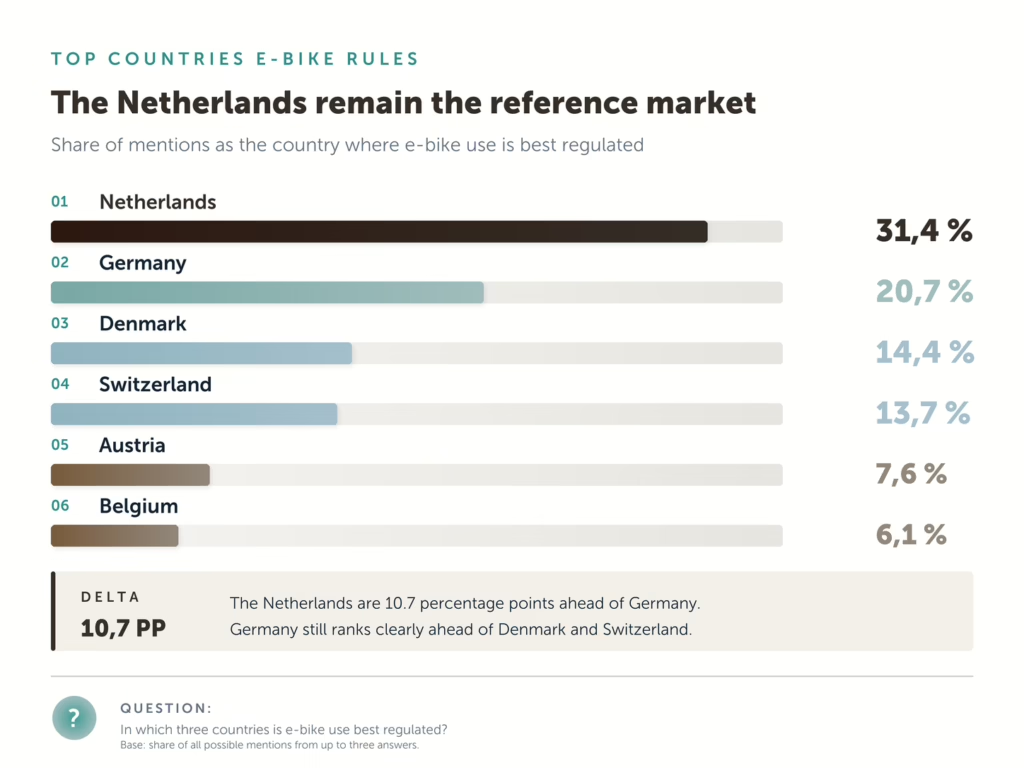
In our study, we also asked which three countries are best at organizing e-bike use, whether through traffic regulations, testing requirements, infrastructure measures, or accompanying informational communication. Not surprisingly, the Netherlands came out on top in the eyes of our respondents. However, a fifth of them believe that Germany is also one of the top three countries for e-bikes. Switzerland, in fourth place, just behind Denmark, shows that even countries with challenging topography and limited space for dedicated cycling infrastructure have significant potential to create favorable conditions for e-bikes.
6. The New Channel Strategy: The Website as a Digital Advisor
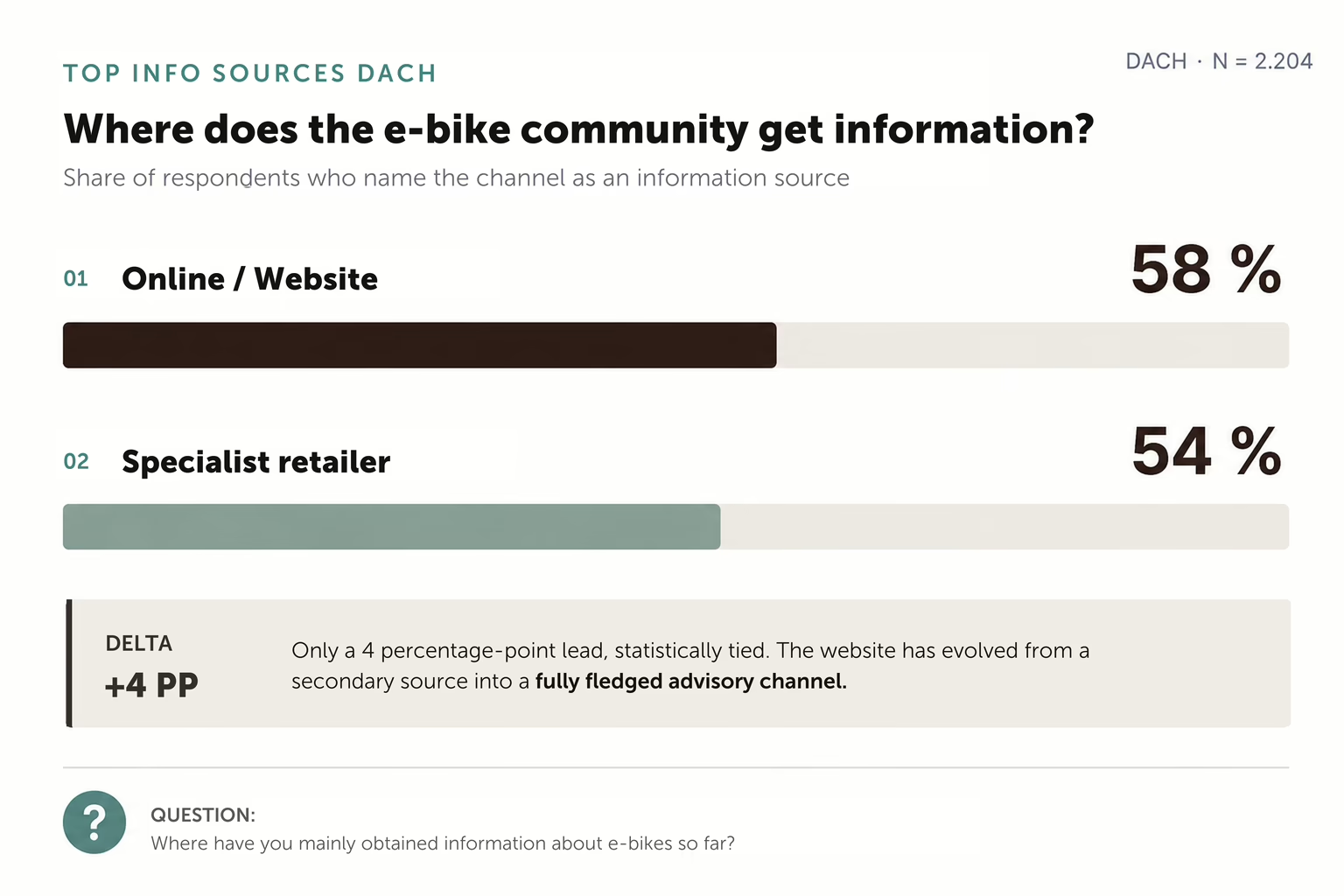
Information-seeking behavior prior to purchasing an e-bike has also fundamentally shifted. While brick-and-mortar retailers still play a central role in the DACH region, our study shows they are no longer the most frequently used source of information. Today, online sources and local dealers operate on eye level:
- 58% of respondents use the manufacturer’s website as a top source of information.
- 54% rely on advice from specialized retail shops.
- 28% trust recommendations from friends and family.
- Only 7.4% use social media as a primary information source.
Customers look for information through hybrid and parallel channels nowadays. For over 40% of people, specialized retail is no longer a top information source. Yet, well over 80% of bicycle sales in Germany still take place in physical retail stores. Our study thus proves that a significant portion of the clientele enters the shop already holding a clear, pre-formed opinion.
Conclusion: Education as a Competitive Advantage
The use of e-bikes in Europe rests on a solid foundation, but the lack of rule and technical knowledge represents a serious vulnerability. People are no longer just looking to buy premium hardware; they want safety, guidance, and knowledge delivered alongside it.
The prevailing uncertainty surrounding battery handling is an urgent issue. Diamant has already prepared extensive content on this topic, which is being actively and intensively utilized by many riders.
Which aspect of the study surprises you the most—the uncertainty regarding battery handling or the relatively poorer performance of the classic cycling nations? Feel free to dive deeper into the data. Download the full whitepaper now for free:
Note on data source: The study is based on a survey conducted on behalf of Diamantrad among 4,041 adults between February and March 2026. Data collection was carried out in six European countries via the market research institute Norstat, and in the DACH region via a qualified online questionnaire.